
How long do antidepressants take to work? A realistic timeline
You started the medication three days ago and feel… nothing. Or maybe just the side effects. Before you decide it isn't working, here's the honest timeline nobody walks you through.
The short answer
Some people notice early shifts — often in sleep, appetite, or energy — within the first one to two weeks. The full effect on mood usually takes four to eight weeks, and for some people up to twelve. That's not your medication being slow; that's how this class of medication works, for everyone.
Knowing this upfront matters, because the most common way antidepressants “fail” is that someone quits at week two — right when side effects have shown up and benefits haven't yet. Week two is the worst possible scorecard.
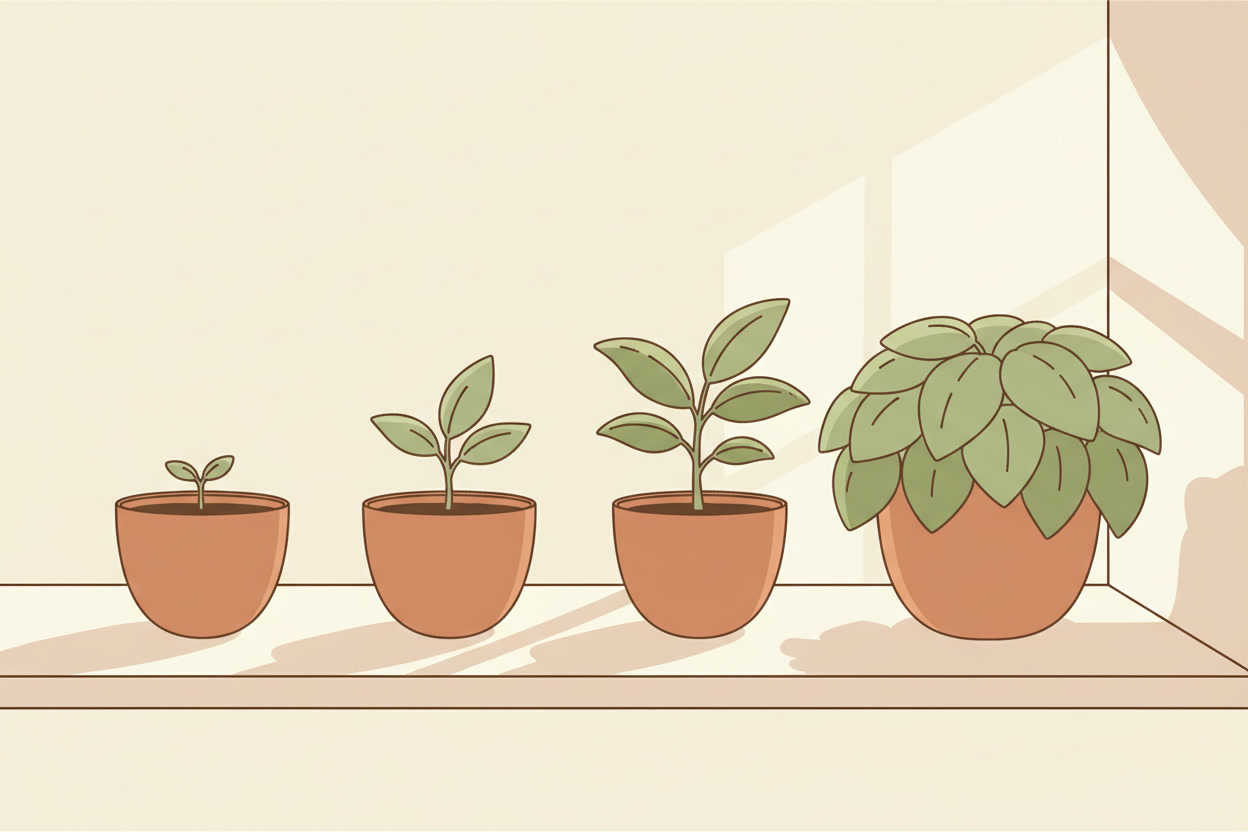
Why it takes weeks, not days
An antidepressant isn't a painkiller. The medication level in your blood rises within days, but the benefit comes from your brain's gradual adaptation — changes in receptor sensitivity and circuit function that build over weeks. Think less “flipping a switch,” more “physical therapy for the mood system.” The reps add up before the strength shows.
Side effects, on the other hand, are front-loaded: mild nausea, headaches, jitteriness, or sleep changes tend to show up in week one and fade within a couple of weeks. The curve of costs and the curve of benefits cross — you just have to know the crossing is coming.
What “working” actually feels like
Almost nobody feels euphoric, and that's not the goal. What patients describe is subtraction: the weight is lighter, the fuse is longer, the morning dread is quieter, and setbacks stop lasting all day. You find yourself doing things — returning the call, taking the walk — without the usual internal war. If you feel numbed or flattened instead, say so; that usually means the dose or the medication needs adjusting, not that you have to choose between feeling sad and feeling nothing.
If nothing has changed by week four to six
First, an honest check: has it been taken daily? (No judgment — ADHD brains, chaotic weeks, and ambivalence all make this common. It just changes the math.) If adherence is solid and there's truly no movement, we act: raise the dose, switch medications, or add something. In the landmark STAR*D trial, the average time to a response was about six weeks, and many people needed a second medication trial to find their fit. Needing round two is normal — it's the plan, not the failure of the plan.
Two safety notes that matter
Don't stop suddenly. Stopping most antidepressants abruptly can cause discontinuation symptoms — dizziness, flu-like feelings, electric-shock sensations, irritability. If you want to stop, that's your right; we just build a taper so it's comfortable.
Call sooner — don't wait for the follow-up — if your mood clearly worsens, you feel unusually agitated or restless, or you have new or intensifying thoughts of harming yourself. This is rare but most relevant in the first weeks and in people under 25, which is why early check-ins are built into care here. If you're ever in immediate danger, call or text 988, or call 911.
How this practice handles the waiting period
The timeline above is exactly why my follow-ups are scheduled where they are: a check-in during the adjustment stretch, a real assessment in the verdict window, and faster appointments whenever something feels wrong. You shouldn't have to white-knuckle eight weeks alone wondering if “this is it.” If you're starting, restarting, or stuck halfway, a free 15-minute call is an easy first step.
Frequently asked questions
Can antidepressants start working in a few days?
Early improvements in sleep, appetite, energy, or anxiety can genuinely appear in the first week or two. The full effect on mood takes longer — typically four to eight weeks — because it depends on gradual brain adaptation, not just the medication being in your system.
What should I do if I miss a dose?
Generally: take it when you remember, unless it's close to the next dose — then skip, and never double up. The specifics vary by medication, so confirm the rule for yours with your prescriber or pharmacist.
Will I have to take antidepressants forever?
Usually not. For a first episode, the common recommendation is to continue about six to twelve months after you feel well, then reassess — stopping too early is the main driver of relapse. Recurrent episodes sometimes justify longer treatment. Either way it's a decision made together, with a taper, never cold turkey.
Can I drink alcohol while taking an antidepressant?
Alcohol is itself a depressant: it can blunt the medication's benefit, worsen sleep and mood, and amplify side effects like drowsiness. An occasional drink is a conversation to have honestly with your prescriber about your specific medication — not a universal yes or no.

Written by Ismail Al Huwaitat, PMHNP-BC — board-certified psychiatric-mental health nurse practitioner with 14+ years of combined ICU and psychiatric experience and advanced certification in ADHD care (ADHD-CCSP). Licensed in California and Oregon. More about Ismail.
This article is educational only and is not medical advice, diagnosis, or treatment. Medication decisions always require an individualized evaluation with a qualified clinician.
References
- National Institute of Mental Health. Depression. nimh.nih.gov/health/topics/depression
- National Institute of Mental Health. Mental Health Medications. nimh.nih.gov/health/topics/mental-health-medications
- Trivedi MH, Rush AJ, et al. Evaluation of outcomes with citalopram for depression (STAR*D). Am J Psychiatry. 2006;163(1):28–40. pubmed.ncbi.nlm.nih.gov/16390886
- Cipriani A, et al. Comparative efficacy and acceptability of 21 antidepressant drugs: a systematic review and network meta-analysis. Lancet. 2018;391(10128):1357–1366. pubmed.ncbi.nlm.nih.gov/29477251
Related reading
Starting or adjusting an antidepressant?
Follow-up care timed to the medication's actual timeline — that's the whole point here.